GLP-1 Care Companion

Support & Patterns Hub

Calm, evidence-aware, non-medical

Stay steady on GLP-1 with a sleek, guided hub.

Action-focused, educational support: nausea relief, hydration rhythms, and muscle protection. Built to prep you for better clinician conversations—no medical advice, just clear, organized guidance.

  • Nausea relief playbook: pacing meals, gentle textures, and light seasoning.
  • Muscle-protection basics: protein targets, simple resistance, and hydration pairings.
  • Clinician-ready notes: log triggers, hydration, and appetite patterns for visits.

Educational resource inspired by nutrition best-practices. Not medical advice; always consult your clinician.

Healthy meal
Nausea-safe

Protein pacing

20–30g

per mini meal

Reminder

Content is for education, not personal medical advice. Check all plans with your clinician, especially if you have nausea, dehydration, or low blood sugar concerns.

At a glance

GLP-1 routines, visualized

Swipe through practical habits: hydration, protein timing, and gentle meals.

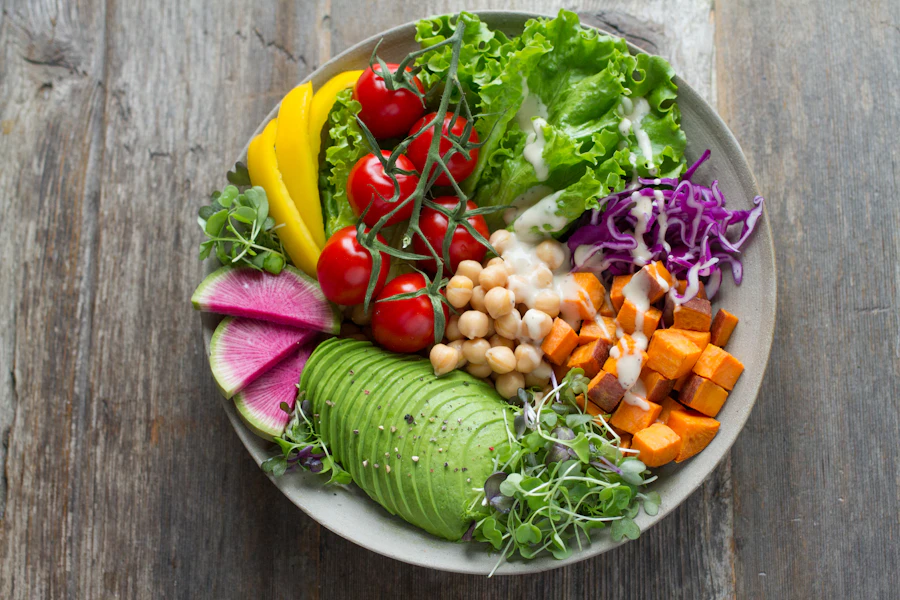
Colorful vegetables

Nausea-smart plates

Small, frequent meals; protein first; mild flavors; stay upright.

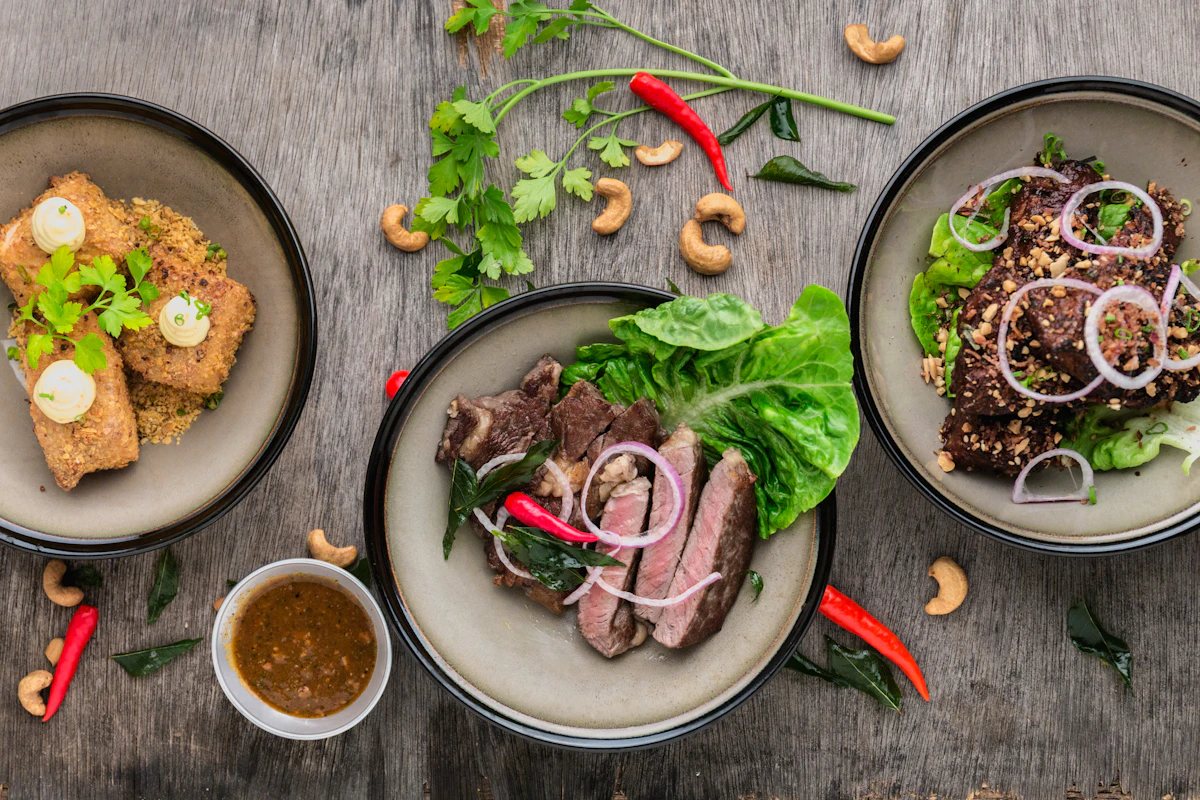
Protein-focused meal

Protein pacing

20–30g per meal, split across the day; keep a clear protein ready.

Hydration with citrus water

Hydration rhythm

4–8 oz every 15–20 minutes during flares; ORS if needed; avoid chugging.

Experience

Designed to feel premium and calm

Clear visuals, subtle motion, and curated imagery keep focus on what matters.

Vegetable prep

Nausea-smart

Small, steady meals

Protein meal

Protein pacing

Lean, low-grease plates

Hydration

Hydration

Electrolytes & steady sips

GLP-1 Updates

Timely spotlights

Summaries on GLP-1 experience, safety reminders, and supportive habits.

View all news
Assorted vegetables

Nausea toolkit

Low-volume, gentle eating patterns

Spacing small meals, leaning on broths, ginger/peppermint, and lower-fat prep to keep intake steady.

  • 4–6 mini meals with protein first, carbs after tolerance.
  • Mild flavors; avoid heavy cream/fry during flares.
  • Stay upright 30–60 minutes post-meal.
Read more
Potatoes in baskets

Protein protection

Prioritizing protein on lower appetite days

Clear shakes, Greek yogurt, eggs, tofu, and fish to protect muscle during rapid weight change.

  • 20–30g per meal; confirm targets with your clinician.
  • Keep a low-volume protein option for low appetite days.
  • Distribute protein evenly across the day.
Protein guide
Bowl of soup

Hydration & lows

Hydration, electrolytes, and low-sugar safety

Sipping schedule, salty broths/ORS, and the 15/15 rule for suspected low blood sugar (talk to your clinician).

  • 4–8 oz every 15–20 minutes when queasy.
  • Use ORS/broth if intake is low; avoid chugging.
  • Suspect a low? Follow the 15/15 rule; contact your clinician.
Hydration plan

Nausea-smart eating

GLP-1 relief plate

Keep food gentle, protein-forward, and lower-volume while symptoms improve.

Small, frequent meals

4–6 mini meals to reduce nausea and keep energy steadier.

  • Eat seated and slow; pause at mild fullness.
  • Use bland bases: rice, potatoes, toast, broth.
  • Stay upright 30–60 minutes after eating.

Protein first

20–30g per meal from eggs, fish, tofu, Greek yogurt, or clear whey; add carbs after you tolerate protein.

  • Split protein evenly across the day.
  • Keep a clear protein or Greek yogurt ready.
  • Pair with sips of water for comfort.

Low-fat, low-grease

Favor baking, grilling, broths; avoid heavy, fried options that can worsen nausea.

  • Season with herbs/citrus; avoid heavy sauces.
  • Pick lean cuts or fish; skim visible fat.
  • Keep portions modest; reheat gently.

Fiber with care

Go slow with fiber when nauseated; add oats, berries, beans as tolerance improves.

  • Start with soluble fiber: oats, berries, lentils.
  • Increase water as fiber rises.
  • Pause raw/high-fiber veg during flares.

Hydrate steadily

4–8 oz every 15–20 minutes during symptom flares; use ORS or salty broths if intake is low.

  • Room-temp fluids often feel easier than very cold.
  • Add electrolytes if lightheaded; confirm with clinician.
  • Avoid chugging; steady sips protect comfort.

Move gently

Walks and light resistance help maintain muscle while appetite is reduced.

  • 2–3 short walks/day; avoid right after larger meals.
  • 2x/week light bands/dumbbells for major muscles.
  • Stop if dizzy; clear activity levels with your clinician.

Hydration

Fluids, electrolytes, and comfort

Sip schedule, light flavoring, and mindful caffeine while on GLP-1.

Water & ORS

Primary fluids

Sip water; if intake is low, use oral rehydration or salty broth in small, frequent amounts.

  • Carry a small bottle and refill often.
  • Use ORS if lightheaded; confirm needs with your clinician.
  • If vomiting persists, seek clinician guidance promptly.

Coffee & tea

Watch additives

Keep sugar minimal; avoid large, creamy drinks that can add fast calories or upset stomach.

  • Limit to 1–2 cups if sensitive; have with food if jittery.
  • Skip whipped toppings/syrups; choose simple versions.
  • Stop if nausea worsens after caffeine.

Sugary drinks

Keep rare

Sodas/juices can spike sugar and add empty calories; use sparingly and pair with protein if used.

  • Keep portions small if you choose them.
  • Pair with protein to blunt rapid spikes.
  • Energy drinks: avoid or review with your clinician.

Muscle & metabolic

Protect lean mass and stay steady

GLP-1 can reduce appetite fast; these habits support muscle and metabolic health.

Protein targets

Set a daily protein goal (often 1.6–2.2 g/kg target weight—confirm with your clinician) and split across meals.

  • Track portions briefly to learn your baseline.
  • Use ready-to-drink protein on low appetite days.
  • Distribute: breakfast, lunch, dinner, snack.

Strength twice weekly

Short resistance sessions (bands/dumbbells/bodyweight) help signal muscle retention.

  • Focus: squats/sit-to-stands, rows, presses, carries.
  • 2–3 sets, light-to-moderate load, controlled tempo.
  • Stop if dizzy; clear intensity with your clinician.

Check-ins & notes

Log nausea triggers, hydration, and energy to discuss with your clinician; avoid self-adjusting doses.

  • Capture: when symptoms start, what you ate, fluids.
  • Note lightheaded episodes and what helped.
  • Bring logs to appointments instead of changing meds alone.

Easy protein

Low-effort, high-protein ideas

Gentle textures and quick prep to hit protein goals when appetite dips.

See more recipes
Bowl of grains and vegetables

Clear protein

Clear whey + citrus ice

Low-volume, fast-digesting protein when heavier foods feel tough.

  • Mix cold; add citrus/ginger for flavor.
  • Sip slowly; pair with a salty cracker if needed.
  • Counts toward daily protein target.
Mix it
Fish with greens

Soft protein

Poached fish + broth greens

High-protein, low-grease, gentle on the stomach; add rice if tolerated.

  • Mild seasoning; avoid heavy cream sauces.
  • Broth-cooked greens are easier to digest.
  • Add small rice portion if hunger allows.
Cook this
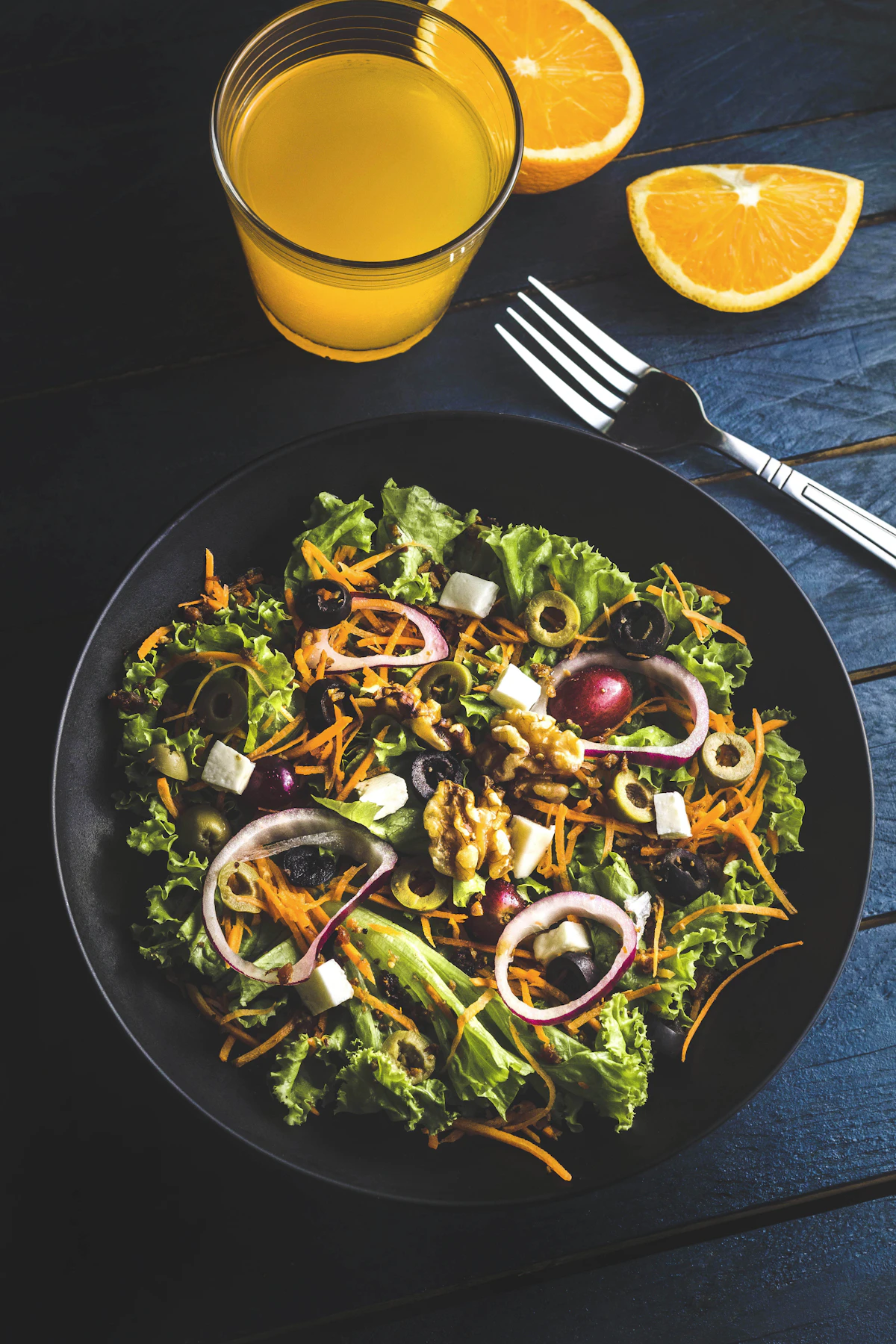
Colorful salad

Eggs & tofu

Soft scramble + silken tofu

Protein-dense and easy to eat; pair with toast or rice when appetite allows.

  • Use low-oil scramble; keep portions small.
  • Silken tofu adds protein without heaviness.
  • Add soft fruit or toast once tolerated.
Make this

Safety & prep

Know when to call and what to bring

Be ready with observations for your clinician. Seek urgent care for severe or red-flag symptoms.

Red flags — seek care

Call your clinician or emergency services if you notice:

  • Persistent vomiting and unable to hydrate.
  • Severe abdominal pain, fever, or blood in stool/vomit.
  • Confusion, shaking, sweating suggesting low blood sugar.
  • Rapid heartbeat, fainting, or signs of dehydration.

Clinician-ready log

Track these to share at visits:

  • Meal timing, portion sizes, and nausea triggers.
  • Daily protein estimate and hydration volume/ORS use.
  • Energy/lightheaded episodes and what helped.
  • Any side effects after dose day vs later in the week.